Events
Industry
Lifestyle
1 July 2026
Events
Industry
Lifestyle
1 July 2026

By Charlie Yanko
Many of our favourite successful local brands share one thing in common: founder-led branding. With a founder present in the content or recognisable as the face of the brand, audiences connect with more than just the clothes themselves.
From DITL founder content to styling videos, taste tests and pranks, each brand has its own social media niche that works for them.
With millions of followers between them, they post a new item and it sells out in minutes. The real question is: why does this happen, and why do we keep engaging with these brands?
So, what makes founder-led branding so effective? Why do audiences continue to follow along and buy into this new kind of community?

All For Mimi, Jaz Handmade, Remmie by Riley and Henne all skyrocketed to popularity almost immediately after launch. What do all these brands have in common? They were founded by well-known online creators with strong personal branding and highly engaged audiences who connected with the lifestyle behind each brand. With founder-led brands, it comes back to lifestyle and aspiration. Audiences naturally feel connected to creators they have followed for years, which can translate into strong support for the brands they launch.
Creators like Sopha Dopha and Riley Hemson had built engaged communities long before launching their own brands, allowing them to leverage their platforms and personal branding to grow successful businesses. Founder-led content plays a significant role in building that connection and driving brand visibility.
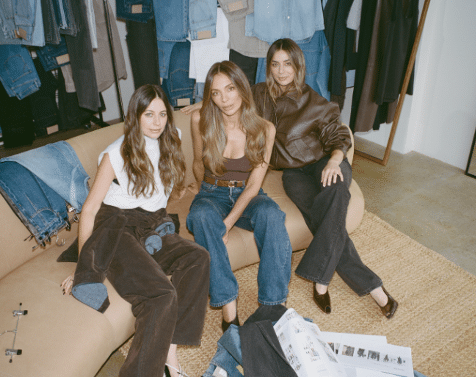
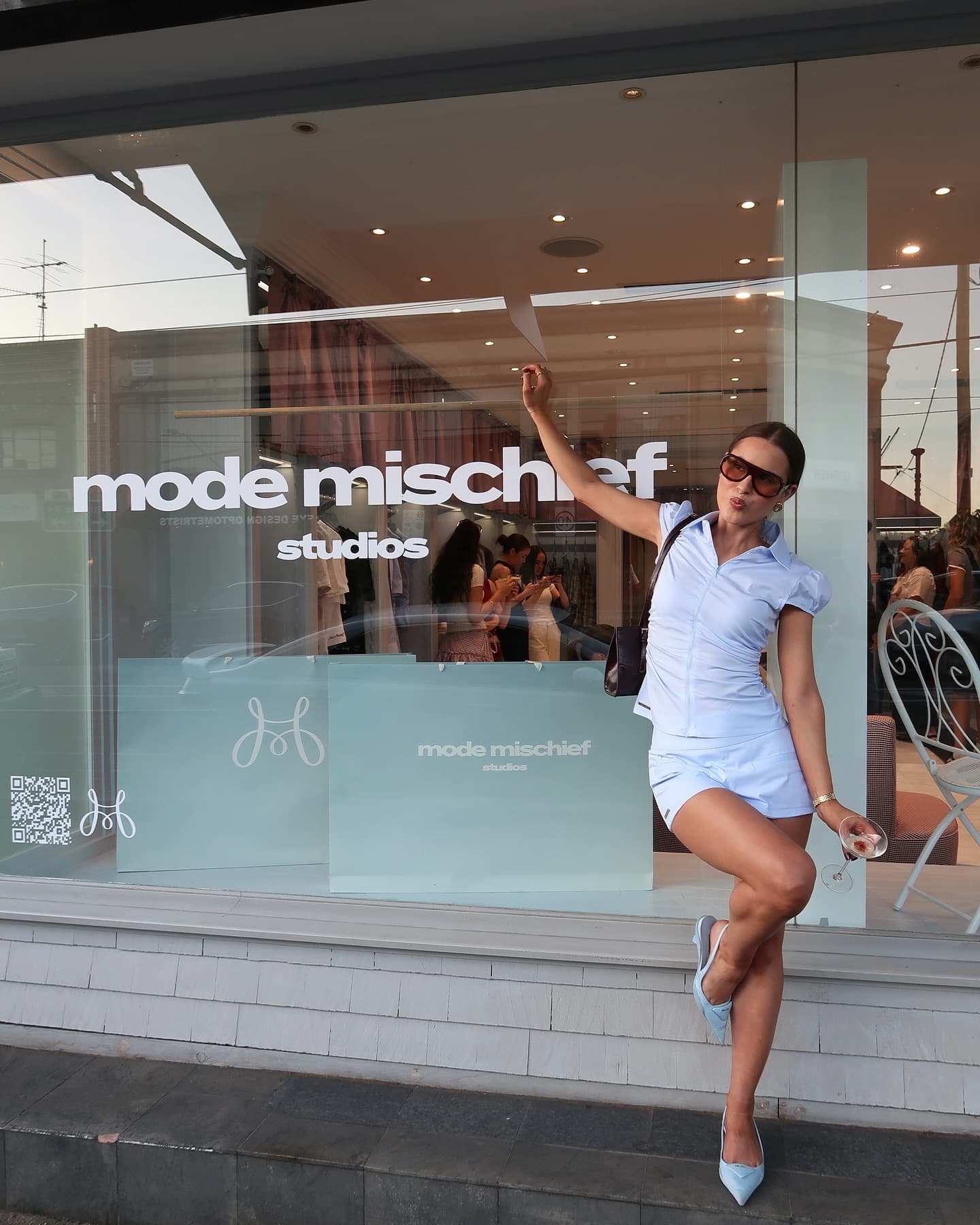
For brands such as TILD, Mode Mischief and Sage Avenue, success did not come from an already-established social media following. Instead, growth came from building content and a loyal following around the lifestyle and identity of the brand.
Through outfit styling videos and BTS style content, the founders naturally became the face of the brand. Content encouraged audiences to connect not just with the product itself, but also with the aesthetic surrounding it.
While it may have taken longer than creator-led brands to gain traction, this approach showed that strong products, distinct branding, and authentic founder presence can still build a loyal community.
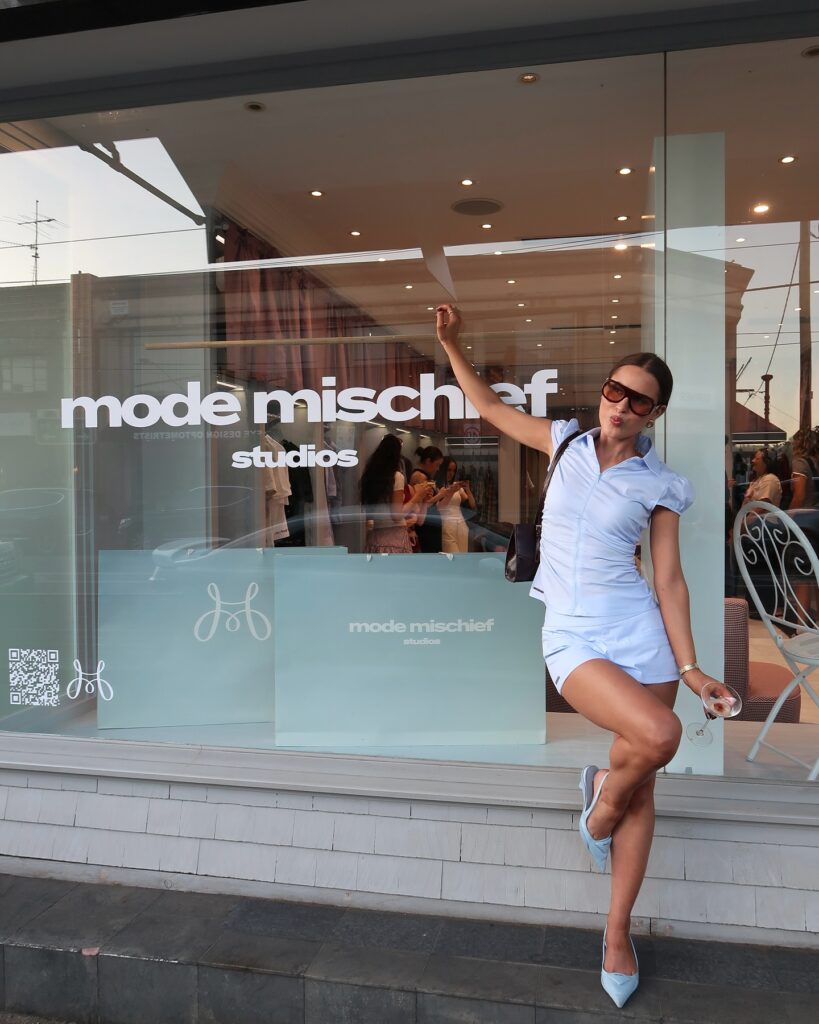
Both brands with well-known creators behind them and those without, know how to create engaging, fun, and fresh content that draws audiences in without directly focusing on the product; therefore, the brand is subconsciously promoted.
It becomes a talking point: “Is that the new All for Mimi tank colour? I saw Soph wear it in their taste-test video.” The audience then purchases the product and buys into the community without necessarily realising it. By positioning themselves in the content, they open another pathway for consumers to learn about the brand and their team.
The main point is that people are looking for connection, something we may not have experienced at such a scale before as social media becomes more integrated into our lives.
One thing I know for sure is that my FYP is full of founder-led content and I cannot get enough!