Events
Industry
Lifestyle
7 October 2026
Events
Industry
Lifestyle
7 October 2026

By Steph Beatty
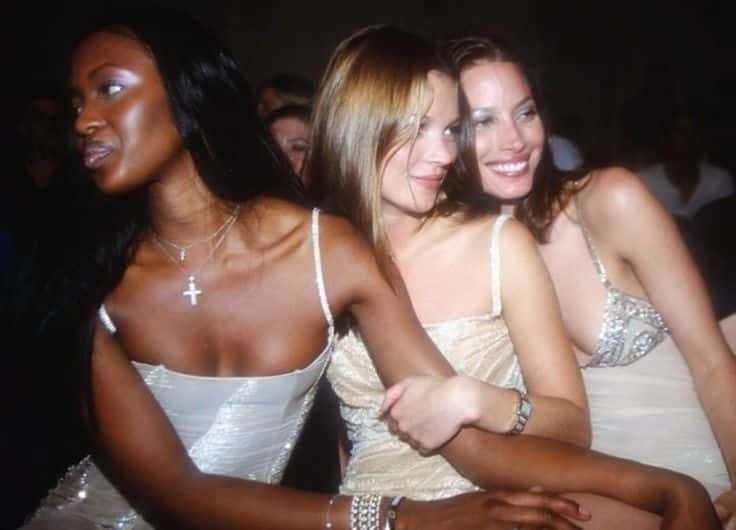
There was a time when culture had a clear hierarchy. A select group of magazines, photographers, designers and entertainment outlets held the power to shape who – and what – captured the public’s attention. Think Paris Hilton, Kate Moss, Gwyneth Paltrow and Nicole Richie.
The original It Girl didn’t need to explain herself. She was photographed, written about and watched. Her influence was built as much on mystique as it was on the cultural gatekeepers who decided who was worth paying attention to.
Today, that hierarchy has fractured.

Now, everyone has their own It Girl.
As Vogue has observed, the era of the universally recognisable It Girl is waning, with influence shifting towards smaller, more engaged communities.
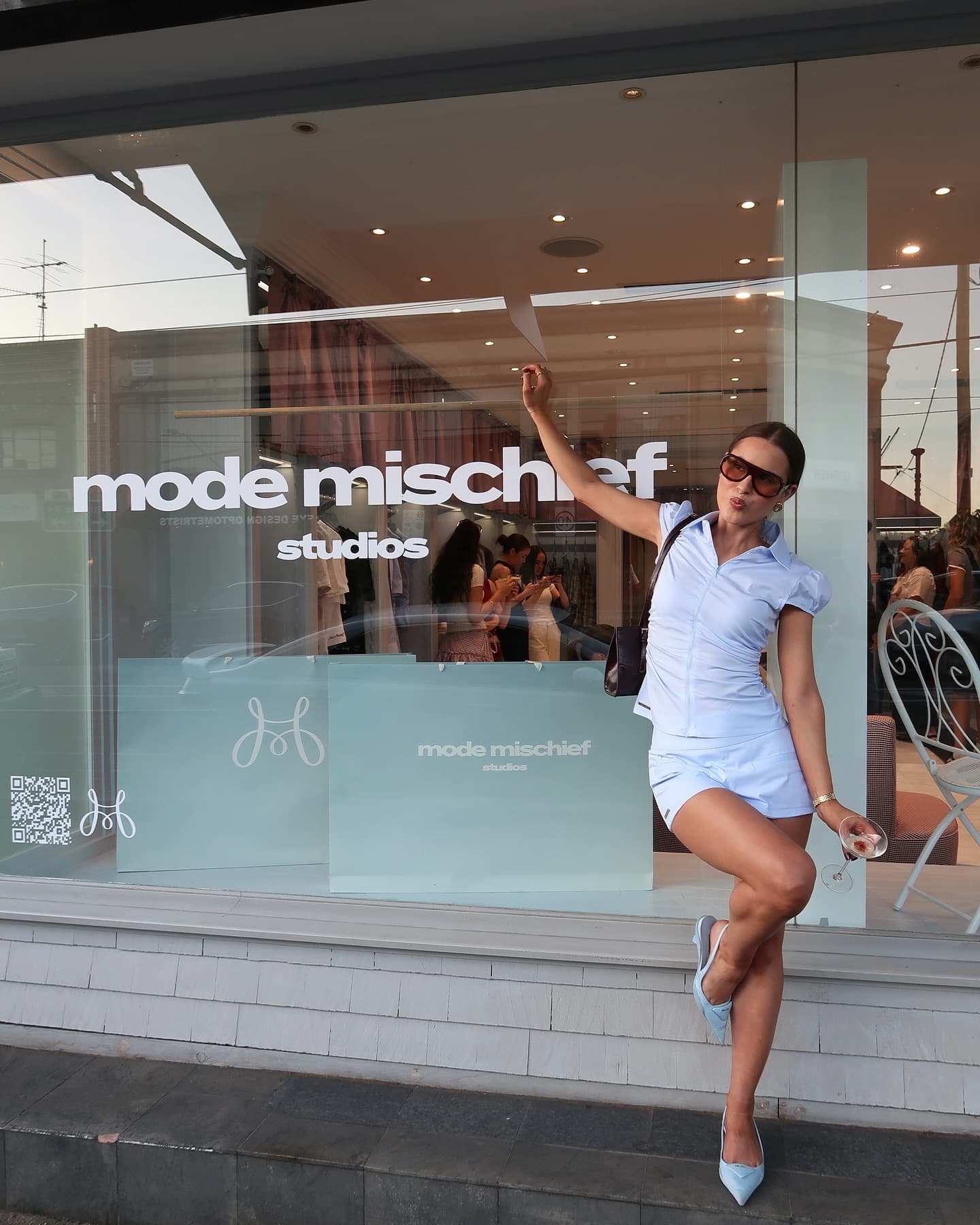
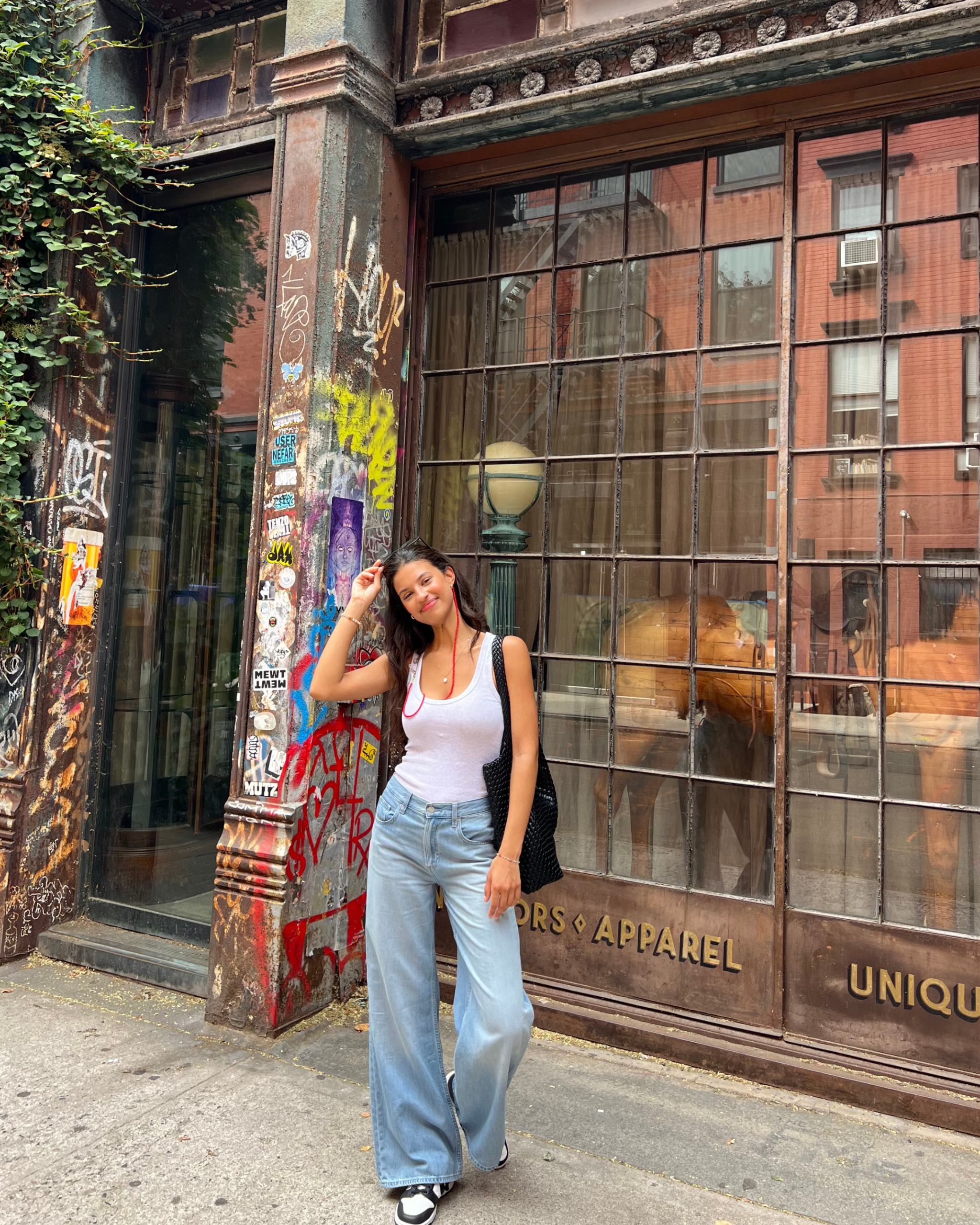
The algorithm doesn’t need everyone to agree. Your TikTok feed can have one It Girl. Your friends can have another. Someone in Melbourne might be obsessed with a fashion creator you’ve never heard of.
That’s not the death of influence. It’s the death of universal influence – and for brands, that’s an opportunity.
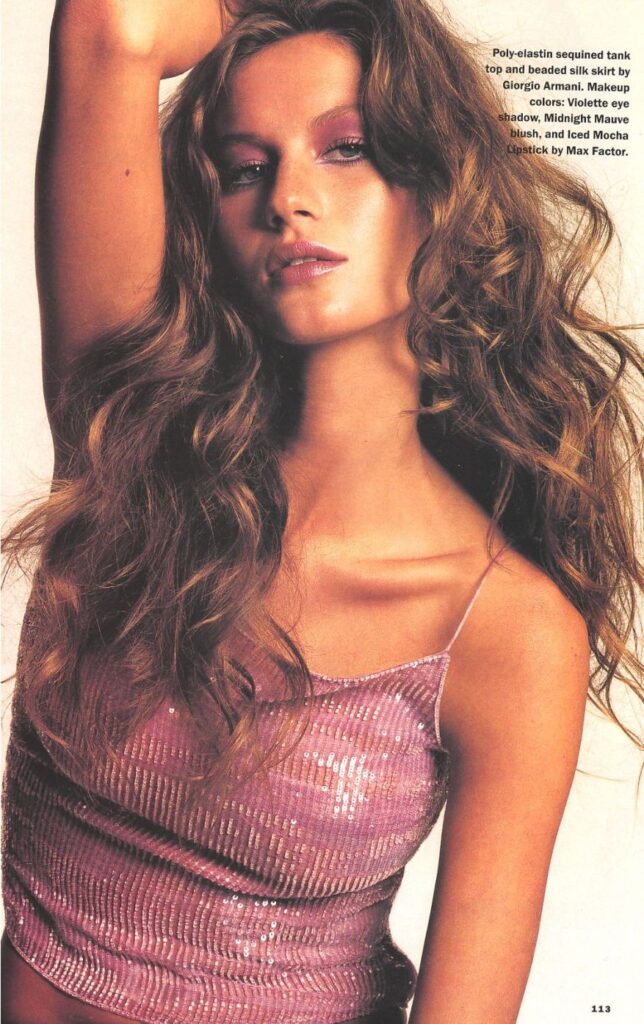
For Brands, Smaller Can Be Smarter
The value of the niche tastemaker isn’t necessarily reach. It’s trust, relevance and cultural context.
A creator already embedded in a particular community understands its language, references and behaviours. They can introduce a brand in a way that feels natural rather than transactional.
For brands trying to enter a new cultural space, that access can be more valuable than simply putting a logo next to a famous face.
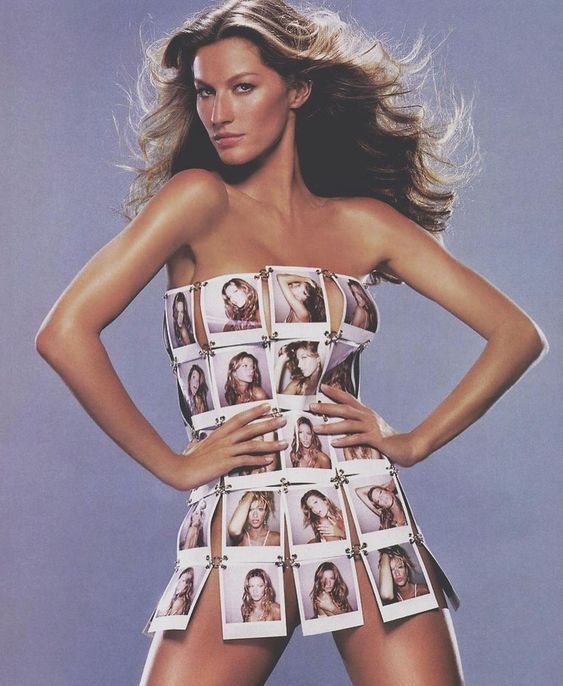
From Endorsement to Cultural Relevance
This shift is changing what brand partnerships look like. Rather than simply borrowing a famous face, brands are working with tastemakers who have genuine credibility within specific communities – whether through creative collaborations, existing formats or emerging conversations.
The creator isn’t just delivering an audience. They’re giving the brand a gateway into culture.

So, Is the It Girl Really Dead?
Not exactly. She’s evolved.
Internet-native personalities such as Addison Rae and Alix Earle have shown that digital influence can still move beyond social platforms and into fashion, beauty and entertainment.
What’s changed is how influence is built and how brands can tap into it. The old It Girl gave brands mass visibility. The new tastemaker can give them something potentially more valuable: relevance within a specific cultural world.
For PR, that means the brief is no longer simply to find the biggest name.
It’s to find the right person, in the right community, at the right cultural moment.